Quiet Luxury, Consciously Chosen

Today we dive into sourcing sustainable, high‑quality furnishings for a low‑key luxe look, where craftsmanship meets responsibility and every surface invites calm. Expect guidance on materials, certifications, comfort testing, and styling that values restraint, provenance, and longevity. Share your sourcing wins or dilemmas in the comments, subscribe for monthly maker spotlights, and join our community dedicated to beautifully understated spaces that tread lightly and endure with grace.

Quiet Luxury Starts at the Material Level

Understated elegance begins with honest materials that feel good underhand, age attractively, and respect ecosystems. Thoughtful wood, stone, metal, and textile choices reduce hidden toxins, honor skilled labor, and frame a home with quiet confidence. We’ll explore responsible sourcing, finishes that let fibers breathe, and tactile combinations that communicate quality without shouting, so your rooms feel considered, grounded, and unmistakably personal for years to come.

Responsible Woods and Finishes

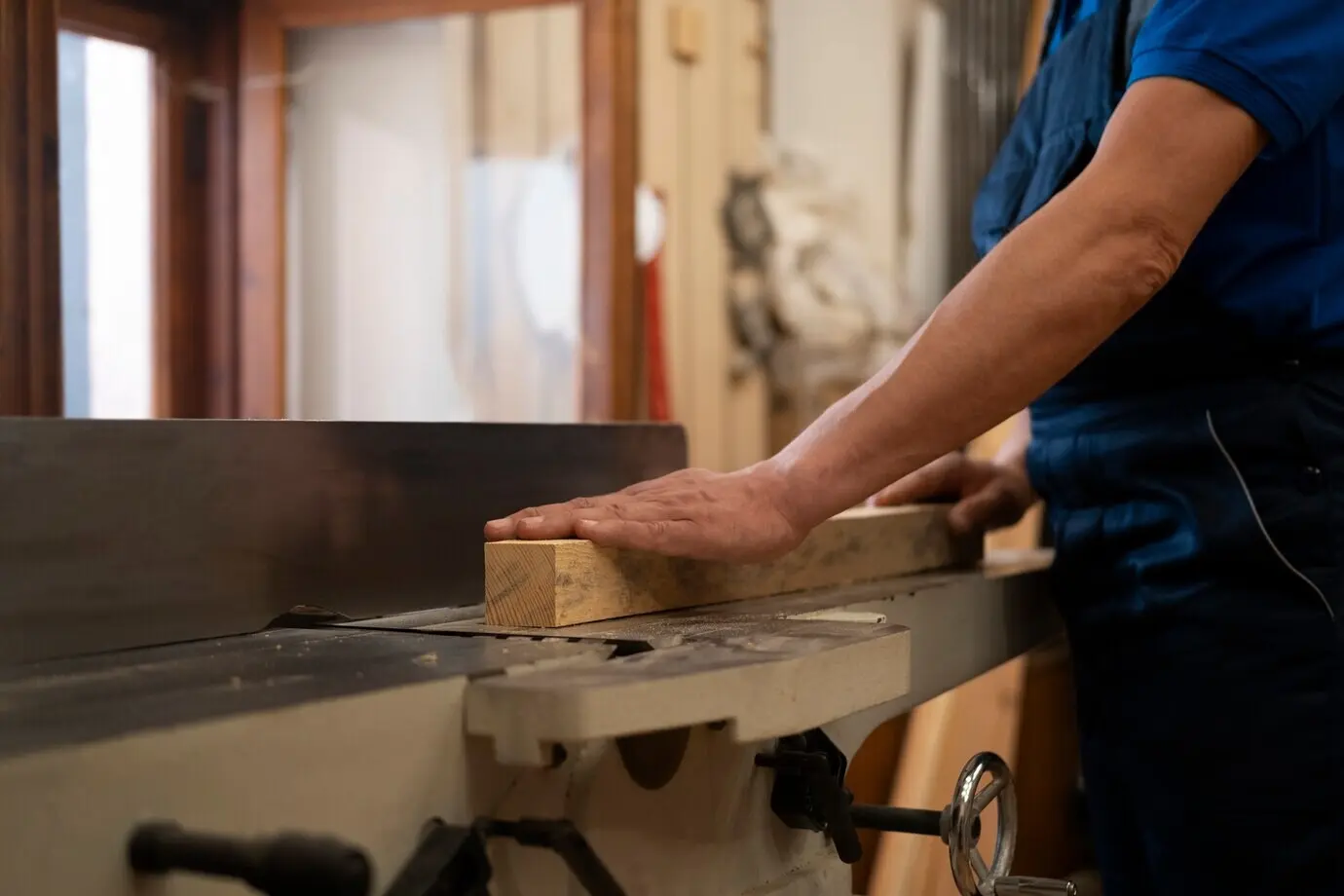
Seek verified sources like FSC hardwoods, reclaimed boards with character, and fast‑growing species used thoughtfully with formaldehyde‑free cores. Favor waterborne or plant‑based oils and low‑VOC finishes that highlight grain rather than smother it. Ask for chain‑of‑custody documentation, and remember that a well‑soaped oak tabletop or oiled walnut shelf develops a nuanced patina that quietly narrates daily life, inviting touch while reducing maintenance and environmental burden.

Natural Textiles Without Flash

Linen, wool, hemp, organic cotton, and alpaca offer breathable comfort, subtle sheen, and gentle drape that whispers rather than dazzles. Look for GOTS or OEKO‑TEX assurances, and avoid unnecessary chemical treatments that compromise hand and indoor air. Long‑staple fibers resist pilling, while undyed or yarn‑dyed neutrals create depth without noise. Reupholstering a beloved chair in robust Belgian linen can outlast trends, soften beautifully, and become an heirloom your family remembers.

Metalwork and Stone Done Right

Recycled aluminum, powder‑coated steel, and solid brass bring quiet structure, especially when finishes welcome honest aging. Choose local stone with documented quarry practices and low‑emission sealants that protect without plasticizing touch. Prioritize repairable hardware and mechanical connections over composite shortcuts. A hand‑forged handle or honed limestone top reads as restrained yet rich, while thoughtful sourcing reduces extractive harm and keeps the story of making present every time you open a drawer.

The Art of Buying Less but Better

Low‑key luxury thrives on patience, clarity, and discipline. Instead of filling rooms quickly, map rhythms of use, test samples, and let a few excellent pieces anchor the experience. Consider cost per year, modularity, and serviceability. Document dimensions before purchasing and plan circulation to avoid crowding. This slower approach turns every acquisition into a confident choice, trimming waste while delivering interiors that feel resolved and serenely intentional rather than hurried or performative.

Provenance, Certifications, and Transparency

Confidence grows when you know who made an object, from which materials, and under what conditions. Learn to decode standards like FSC for wood, PEFC, GREENGUARD Gold for low emissions, GOTS or OEKO‑TEX for textiles, and Fair Trade for labor practices. Beware vague claims and request VOC data or product safety sheets. Ask for supplier lists and traceability notes. Share helpful labels you trust with our community to strengthen collective discernment.

Decoding Labels with Confidence

Certifications carry nuance. GREENGUARD Gold limits chemical emissions in finished products, while GOTS ensures organic fiber processing and responsible chemicals throughout the supply chain. FSC focuses on forest stewardship, and PEFC broadens certification access regionally. Understand scope, thresholds, and independent auditing. When a product lacks verified third‑party oversight, request transparent explanations. Layer claims carefully, prioritizing substantive impacts over marketing gloss, and lean on multiple indicators when making lasting, high‑stakes selections.

Ask Makers Better Questions

Engage respectfully yet specifically: Which forest did the wood originate from, and is chain‑of‑custody documented? What adhesives and finishes are used, with corresponding VOC figures? Are textiles certified, and are treatments PFAS‑free? Can parts be repaired or replaced locally? How are workers compensated and trained? Makers who welcome these conversations often deliver superior results, and these dialogues cultivate relationships that anchor trust, customization, aftercare, and future projects shaped by shared values.

Traceability and Local Sourcing

Shorter supply chains often reduce transport emissions, improve accountability, and simplify communication. Visit local workshops, sawmills, and stone yards to understand material realities firsthand. Ask retailers about batch numbers, mill locations, and finish dates. Digital passports and QR codes increasingly reveal component origins, helping you verify claims quickly. When an artisan signs a piece, provenance becomes part of its quiet poetry, grounding your home in place, skill, and tangible human connection.

Balancing Comfort, Durability, and Design

Understated rooms succeed when they feel as good as they look. Prioritize ergonomics, breathable textiles, supportive cushioning, and pleasant acoustics alongside refined lines. Evaluate durability honestly through rub counts, pilling resistance, and fastener strength. Pursue safer performance by avoiding heavy fluorinated treatments and selecting resilient fibers or finishes instead. Live with swatches under changing light, test with real spills, and choose touchpoints that invite lingering, conversation, and restorative daily rituals without fuss or pretense.

Ergonomics and Everyday Use

Seat height, cushion fill, and back pitch shape how you rest and gather. Natural latex cores wrapped in wool or down offer support and breathability, while ethical sourcing and alternatives keep conscience clear. Consider arm width for reading comfort and table heights for laptops or leisurely meals. The most elegant sofa disappoints if it pinches shoulders or traps heat, so always sit, stretch, and linger before committing to a long‑living companion piece.

Performance Fabrics with Integrity

Demand resilience without compromised chemistry. Many modern weaves resist stains through fiber structure rather than forever‑chemicals, while tight linens and wool melton naturally repel dirt. Waxed finishes and plant‑based guards can be renewed without plastic sheen. Ask about lightfastness, cleaning codes, and abrasion ratings, then conduct your own coffee and olive‑oil tests on samples. A fabric that handles life gracefully earns its place, keeping rooms relaxed, breathable, and quietly polished through seasons.

Testing Before You Commit

Gather wood swatches, fabric cuttings, and finish cards, then view them in morning, afternoon, and evening light. Photograph combinations alongside existing floors and rugs for honest comparison. Sit on showroom pieces for at least twenty minutes to assess temperature, support, and seam pressure. Request care instructions early and ensure maintenance aligns with your habits. Thoughtful testing prevents returns, reduces shipping emissions, and yields choices that feel inevitable rather than merely convenient.

Layering Textures for Subtle Sophistication

Quiet richness emerges from interplay: matte against low sheen, tight grain beside open weave, cool stone balancing warm timber. Build palettes where neutrals vary in temperature and depth, allowing light to sketch forms gently. Edit relentlessly so each surface can breathe. A hand‑loomed rug, linen slipcover, and burnished brass lamp create softness and structure, proving understatement is not absence but a finely tuned chord resonating through calm, livable rooms.

Neutrals that Feel Rich

Explore tonal layers of ecru, mushroom, oat, and soft charcoal, adjusting warmth to complement sun exposure and flooring hues. Introduce gentle contrast through texture rather than high chroma: bouclé against smooth oak, eggshell paint beside honed marble. Small black or deep bronze elements can ground compositions without noise. When neutrals carry varied fibers and finishes, they register as nuanced, never flat, letting craftsmanship and proportion become the quiet stars of the space.

Patina as a Design Partner

Allow brass to deepen, marble to wear lightly, and oak to mellow. These changes are narratives, not flaws, reinforcing calm, lived‑in elegance. Choose finishes you are comfortable maintaining and celebrate the rituals of care, from waxing soapstone to brushing wool throws. Patina harmonizes pieces over time, dissolving the sense of newness competition. The result is depth that invites touch, conversation, and gratitude for materials that reveal character rather than resist it.

Prioritize Impactful Pieces

Allocate generously to everyday anchors: the sofa that hosts friends, the mattress that restores you, the dining chairs that support hours of conversation. Lighting and rugs shape mood and acoustics, so choose carefully. Save on decorative extras and rotate art or textiles seasonally. Planning purchases on a simple calendar avoids impulse buys, aligns deliveries, and frees budget for craftsmanship that matters most, ensuring restraint feels rich instead of sparse or unfinished.

Mix Investment and Vintage

Blend a new, responsibly made sofa with a vintage credenza and re‑lamped brass fixture for character and value. Inspect secondhand pieces for joinery integrity, past repairs, odors, and pests. Test drawers, check veneer edges, and assume rewiring for older lamps. Ask about previous finishes before refinishing to avoid lead hazards. With patience, vintage elevates material depth, shortens supply chains, and contributes an authenticity that brand‑new sets rarely achieve without significant expense.

Community, Swaps, and Resale

Tap local maker fairs, buy‑nothing groups, and swap circles to recirculate quality pieces. Consignment shops and curated online marketplaces reveal treasures when you visit regularly and act decisively. Offer or request measurements, material details, and care notes to help items find lasting homes. Share your best finds in the comments and subscribe for regional watchlists. Collective sourcing reduces waste, strengthens neighborhoods, and turns furnishing a home into a collaborative, generous, and joyful practice.

Funutokukapelituroma
Privacy Overview

This website uses cookies so that we can provide you with the best user experience possible. Cookie information is stored in your browser and performs functions such as recognising you when you return to our website and helping our team to understand which sections of the website you find most interesting and useful.